Technology Trends That Are Changing Everyday Digital Life
Understanding the rapid evolution of digital tools is essential for anyone looking to stay connected in a fast-paced environment. Technology trends that are changing everyday digital life have shifted from optional luxuries to fundamental requirements for communication, work, and personal management.
By observing how artificial intelligence and hyper-connectivity reshape our routines, we can better anticipate future shifts in how we interact with the world. This article explores the specific advancements driving these transitions and offers practical insights into how you can adapt to the modern digital landscape.
The Rise of Generative Artificial Intelligence
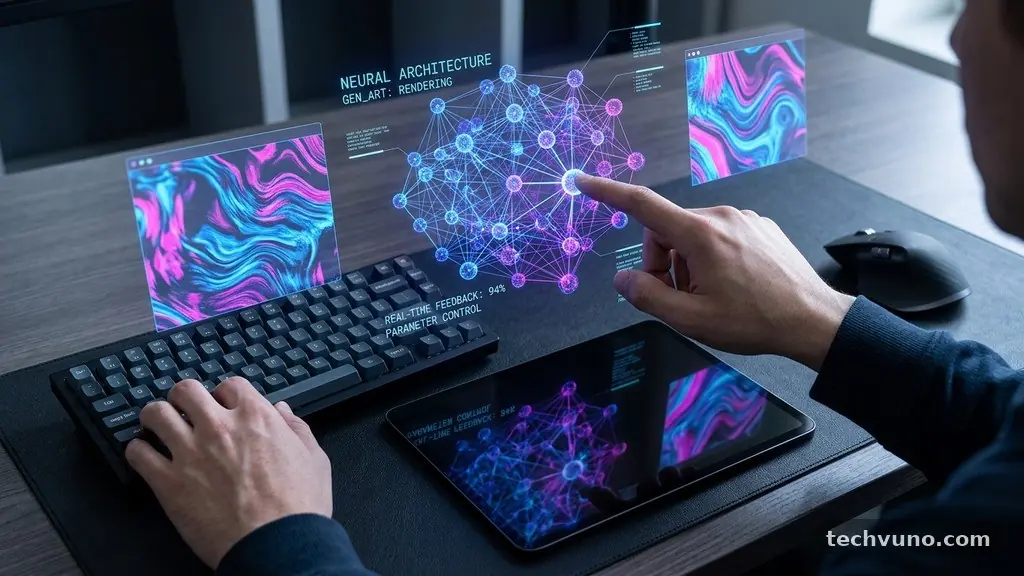
The most prominent shift in our daily digital interactions is the integration of generative artificial intelligence. These systems have moved beyond simple chatbots to become collaborators that assist with writing, coding, and creative problem-solving. By processing vast amounts of data, these tools can synthesize information in seconds, effectively reducing the time spent on mundane cognitive tasks.
Many users now rely on these models to draft emails, summarize long documents, or even generate images for presentations. The efficiency gain is substantial, allowing individuals to focus on strategy rather than execution. As these technologies become embedded into standard office software suites, their presence will feel less like a novelty and more like a standard utility.
Hyper-Personalization in Consumer Services
Companies are increasingly using sophisticated data analytics to tailor digital experiences to individual preferences. When you browse an online store or use a streaming service, the recommendations you receive are the result of machine learning algorithms that track your behavioral patterns. This level of customization ensures that you spend less time searching for content that aligns with your interests.
This trend extends beyond entertainment into health and finance. Smart wearable devices now monitor personal physiological metrics and offer real-time health advice based on your history.
Financial apps similarly provide budget insights by categorizing your spending habits automatically. This shift toward hyper-personalization makes digital life feel more intuitive and responsive to your specific needs.
The Evolution of Smart Home Ecosystems
Smart homes have evolved from simple voice-controlled speakers to complex, interconnected ecosystems. Modern devices now communicate with one another to automate climate control, security, and energy consumption without constant manual input. These systems utilize local networks to ensure that your home environment remains optimized for your presence.
Key Components of Modern Smart Homes
- Automated lighting systems that adjust color temperature based on the time of day.
- Energy-efficient smart thermostats that learn your schedule to reduce utility costs.
- Integrated security cameras providing real-time alerts through encrypted mobile notifications.
- Smart appliances that track inventory or alert you to maintenance requirements.
These advancements contribute to a more sustainable way of living by reducing waste. For instance, smart irrigation systems can adjust watering schedules based on local weather forecasts, while smart plugs help eliminate phantom energy consumption. The result is a home that works in the background to support your lifestyle.
Data Privacy and Digital Sovereignty
As technology trends that are changing everyday digital life continue to prioritize data collection, a counter-trend emphasizing privacy has emerged. Users are becoming more aware of how their personal information is stored and utilized by major platforms. This has led to the widespread adoption of encryption tools, privacy-focused browsers, and decentralized identity management.
Regulatory bodies have also stepped in to enforce stricter standards regarding how companies handle user data. The General Data Protection Regulation remains the gold standard for these privacy frameworks.
By requiring transparency, these regulations empower people to take control of their digital footprint. Protecting your online identity is now just as critical as maintaining your physical security.
The Shift Toward Decentralized Digital Finance
Financial technology is moving away from purely centralized banking models toward more flexible, digital-first solutions. Peer-to-peer payment platforms have made it easier than ever to transfer funds across borders instantly. These systems rely on robust digital ledgers to ensure that transactions are secure and transparent.
This evolution is not limited to currency transfers; it includes the rise of digital wallets that store everything from boarding passes to medical records. By consolidating these documents into a secure digital format, you reduce the physical clutter in your daily life. This trend reflects a broader move toward a paperless society where accessibility is the primary goal.
Remote Collaboration and Virtual Presence
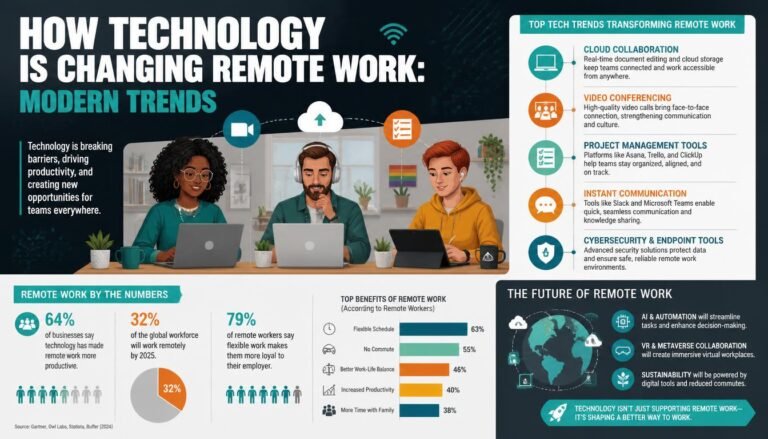
The nature of professional and personal connection has been fundamentally altered by high-fidelity video conferencing and virtual collaboration platforms. Geographic distance is no longer a barrier to effective teamwork or meaningful social interaction. These technologies have enabled a global workforce to operate with a level of coordination that was previously impossible.
Impacts of Virtual Connectivity
| Area of Impact | Traditional Approach | Modern Digital Approach |
|---|---|---|
| Team Meetings | In-person office presence | Cloud-based virtual workspaces |
| Skill Development | Physical classroom attendance | On-demand interactive webinars |
| Social Networking | Local community gatherings | Global interest-based digital forums |
Beyond work, these tools have allowed families to maintain close relationships across continents. The integration of augmented reality into these calls may soon provide an even more immersive sense of presence. While technology cannot replace physical touch, it has significantly expanded the definition of community.
Sustainable Technology and Green Computing
The environmental impact of our digital habits has become a focal point for both developers and consumers. Green computing refers to the design and use of hardware and software that minimizes energy consumption. Manufacturers are focusing on extending the lifecycle of devices to reduce electronic waste and resource extraction.
Cloud providers are also transitioning toward renewable energy sources to power the massive data centers that support our digital lives. By optimizing code and data storage, developers can reduce the carbon footprint of the applications we use daily. Choosing energy-efficient hardware and supporting companies with sustainable practices is a growing priority for many households.
Automation in Daily Personal Management
Automation is no longer just for industrial processes; it has reached the personal level through task-management software and AI-driven assistants. These tools help organize schedules, manage recurring tasks, and even automate grocery orders. By delegating these repetitive duties to software, you free up mental space for more meaningful activities.
Many people now use integrated calendars that sync across devices to manage family schedules and professional commitments. When these systems are combined with voice-activated hardware, you can manage your entire day hands-free. This level of automation is one of the most practical technology trends that are changing everyday digital life by reducing stress.
Frequently Asked Questions
How do I protect my data in a hyper-connected world?
The best approach is to use strong, unique passwords for every account and enable multi-factor authentication wherever possible. Regularly review the privacy settings on your social media accounts and limit the amount of personal information you share publicly.
What is the most significant trend for the future of digital life?
The integration of artificial intelligence into everyday software is currently the most transformative force. It is moving from being a standalone tool to an invisible layer that powers everything from your email inbox to your home thermostat.
Are smart home devices actually energy-efficient?
Yes, when configured correctly, they can significantly reduce energy waste. Smart thermostats and lighting systems are particularly effective at lowering consumption by ensuring that resources are only used when someone is actually present in a room.
How can I stay updated on new technology without feeling overwhelmed?
Focus on learning tools that directly solve a problem you face in your daily routine. You do not need to adopt every new gadget; instead, prioritize technologies that offer clear, measurable improvements to your productivity or well-being.
Conclusion
The landscape of our daily interactions is being reshaped by constant innovation. From the subtle influence of artificial intelligence to the broader shifts in how we manage our homes and finances, these developments are designed to make our lives more efficient. By staying informed about the technology trends that are changing everyday digital life, you can make intentional choices that serve your personal goals.
Embracing these changes does not require you to become a tech expert. It simply involves being curious about the tools available and selecting the ones that provide the most value to your routine.
Start by auditing your current digital setup and identifying one area where a new technology could simplify your day. Engaging with the future of digital life is an ongoing process of discovery and adaptation.